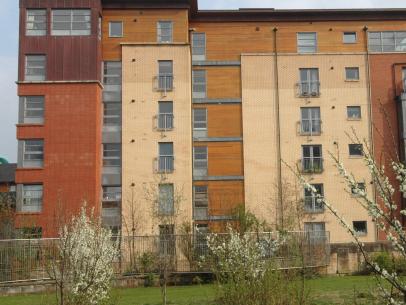

There are a number of options for enforcing repairs that you can take yourself, some with legal help. There are other solutions that can only be implemented by your local council.
Making other owners join a repairs scheme
The options you can use yourself to enforce repairs are:
- the Duty to Maintain
- Notice of Potential Liability for Costs
- the obligations to maintain contained in your titles
- emergency repair procedures
All councils will be willing to give help and advice around repairs, but may not have the budget to assist all owners. Consider taking action yourself first, perhaps with advice from your council.
Before following the information on this page, you should have already:
- identified all your co-owners
- followed proper procedures
- be undertaking maintenance not improvements
- have done your best to negotiate with your co-owners
- considered the needs of vulnerable owners, such as how to finance repairs
Duty to Maintain
The Tenements (Scotland) Act 2004 imposed on every flat owner a duty to maintain the parts of the tenement that provide support and shelter. This would apply to leaking roofs, rot in structural timbers, leaks around individuals’ windows etc. and possibly in situations where an owner is proposing to remove structural beams.
This duty can be enforced by other affected owners regardless of what the title deeds state and does not require majority agreement, though this should be sought wherever possible. One of the main disadvantages of utilising the Duty to Maintain is that you (or you and the other willing owners) may need to cover the maintenance costs first and seek to recover these costs at a later stage.
This is a very powerful legal protection for your tenement, but you may need to seek help to enforce it.
Legal reference
Notice of Potential Liability
Owners are responsible for paying for repairs as soon as a properly agreed decision to go ahead with work is reached (or in the case of work carried out by an owner under the Duty to Maintain rules, as soon as the work is completed). This responsibility stays with the owner even if they sell their flat. However, if an owner sells and moves, it may be difficult to contact them to get them to pay for their share of repair costs.
You can overcome this problem by serving a Notice of Potential Liability for Costs. This notice works in two ways:
- It makes the selling owner and the new owner jointly responsible for the repair costs as long as the notice is served in time.
- A prospective purchaser of a flat subject to a Notice of Potential Liability for Costs will most likely ask the seller to pay off the debt before the sale completed (or may negotiate a price reduction).
A Notice of Potential Liability for Costs can be a powerful tool in persuading an owner to pay any maintenance debt, but is most effective if an owner is looking to sell their flat.
Any owner in the same building, or your property manager, can serve this notice.
Legal reference
Emergency repairs
Emergency repairs are defined as those that:
- really cannot wait for a scheme decision to be made
- are required to prevent damage to your building
- are in the interests of health and safety
In buildings where contacting other owners is straightforward, proper procedures should be followed before conducting emergency repairs. In these situations, emergencies are more strictly defined as issues impacting ‘life and limb.’
However, in cases where reaching other flat owners is difficult and time-consuming, the definition of emergency repairs can extend to include actions needed to prevent property damage.
Legal reference
Help from your council to enforce repairs
Your council has a number of powers it can use to enforce repairs. These can include compulsory repairs and paying Missing Shares.
However, not every council has the resources to follow up. This can stop a council from taking the action both you and they would want.
You should not let this stop you approaching your council for help as staff can be a useful source of advice and can help mediate a problem.
Your council also has powers to recover costs that are not available to individuals.