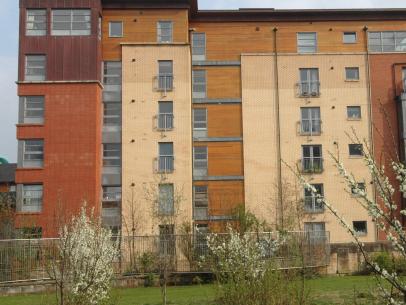
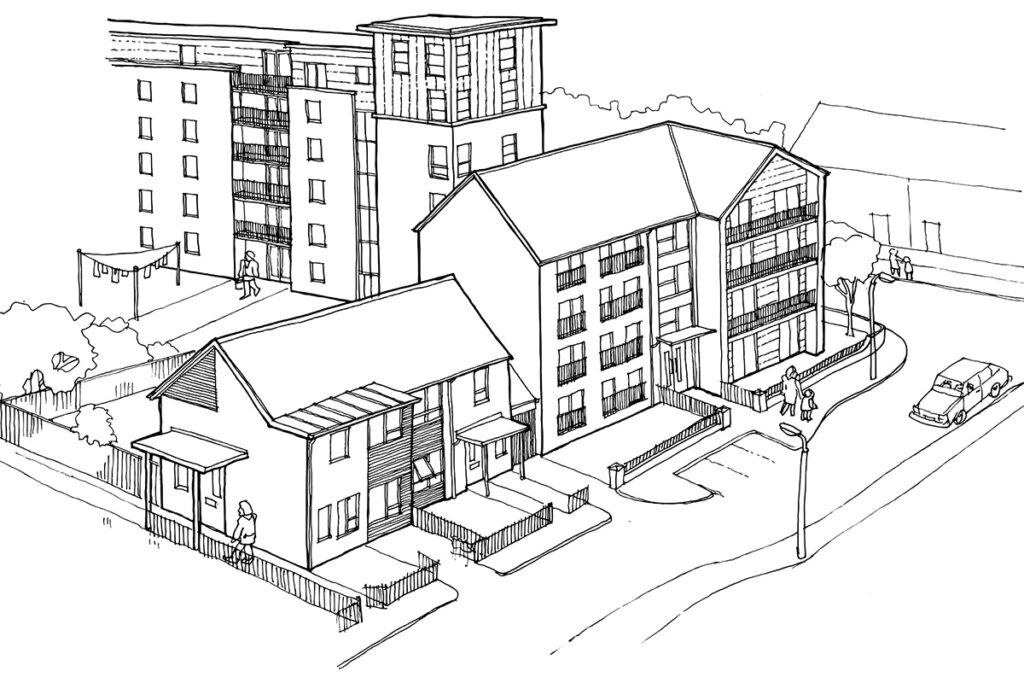
Owners of tenements that share their building with flats owned by local authorities, or housing associations, sometimes face particular problems of always being in the minority. In these “mixed-tenure buildings,” the local authority or housing association may act as both owner and factor.
However, local authorities and housing associations, even if they make up a majority of the owners of the building, are governed by the same rules regarding common repairs as private owners.
First point of call: titles
As always, the place to start is with your titles. Titles set out the rules for a building and often provide information on the common responsibility elements in buildings and how to reach decisions. It is almost certain that there will be detailed titles in ex-local authority or housing association properties.
Therefore, it’s important that all owners check their titles, which contain the various rules which apply to the maintenance and management of a building, and also check the titles of all the other properties in the building; if all titles say the same thing on a particular issue, then they must be followed.
Where properties were sold under the Right to Buy scheme, which was introduced in 1980, owners may find that the deed of conditions, or rules, in these titles can vary even within the same building , as council lawyers learnt from experience and introduced different provisions over time. So, it is possible that properties which were purchased later in the same tenement could have different provisions than those of the rest of the owners.
All titles in Scotland, including those of properties owned by local authorities and housing associations, are available to view by paying a small fee.
Find out more about titles, and how to find them, here.
If the titles are silent on a particular issue, or unworkable in any maintenance and/or management issues, then the owners can default to relevant clauses in the Tenement Management Scheme (TMS). “Unworkable” can include there being different rules in different titles within the block.
The rules of the TMS apply equally: and local authorities and housing associations (sometimes referred to as registered social landlords or RSLs) must also adhere to the same rules as private owners and landlords, even if they are the majority owner of properties within the building.
Find out more about the Tenement Management Scheme here.
One particular rule in the TMS worth noting is Rule 2.10, which says that owners who would be liable for 75% or more of a repair cost can annul any decision within 21 days of being notified of a relevant decision. If an RSL owns, say, 6 out of 8 flats in a block then they can prevent owners putting forward their own plan of repairs.
Local authorities and housing associations as factors
All property factors are governed by the Property Factors (Scotland) Act 2011, which has defined minimum factoring standards. The Act requires all property factors, including RSLs with factoring arms, to be registered with the Scottish Government and comply fully with the Property Factors Code of Conduct. In particular, RSL factors need to consider the Overarching Standards of Practice.
OSP2 says. “You must be honest, open, transparent and fair in your dealings with homeowners.”
Section 6.6 says:
“A property factor must have arrangements in place to ensure that a range of options on repair are considered and, where appropriate, recommending the input of professional advice. The cost of the repair or maintenance must be balanced with other factors such as likely quality and longevity and the property factor must be able to demonstrate how and why they appointed contractors, including cases where they have decided not to carry out a competitive tendering exercise or use in-house staff. This information must be made available if requested by a homeowner.”
Find out more about the Property Factors Code of Conduct here.
In some cases, RSLs inserted a “manager burden” in their titles which allowed them to remain as factors, or to decide who should be the factor, for a period of up to 30 years.