
Emergency repairs are defined as those that:
- really cannot wait for a scheme decision to be made
- are required to prevent damage to your building
- are in the interests of health and safety
In buildings where contacting other owners is straightforward, attempts should be made to follow proper procedures before carrying out the emergency work. In such cases, the definition of an emergency may be more strictly interpreted as issues affecting ‘life and limb’.
However, where reaching other flat owners is challenging and time consuming, the definition could extend to works necessary to prevent building damage.
Examples of emergency repairs
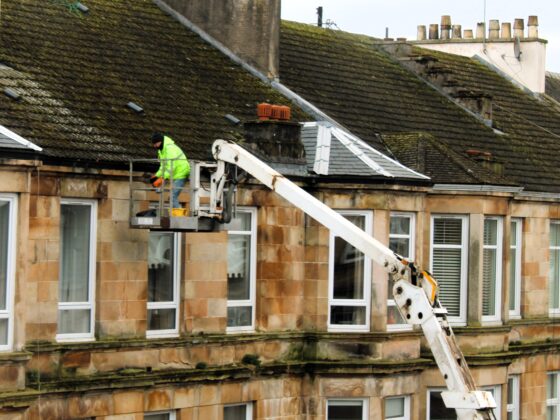
- A hole in the roof that is allowing significant water ingress (could cause further damage to the building)
- Loose stonework that might fall on a passer-by (a risk to health and safety)
- Blocked drains (a risk to the health of the building’s inhabitants)
Proceeding with emergency repairs
If you need to carry out an emergency repair, first check your titles to see if they state what to do in an emergency situation. If they do, you must follow this guidance.
If not, the Tenements (Scotland) Act 2004 provides a legal basis for emergency repairs. The Act states that any owner can instruct emergency work and recover the costs from the other flat owners in the building.
If immediate action is necessary, proceed with the repair.
If possible, have a surveyor or technical professional assess the issue immediately, as this may help if legal action is needed to recover costs from owners reluctant to pay their share.
After completing the work, write to the other flat owners explaining the emergency action taken and provide details of the repair when sending the bill.
Dealing with non-payment
If a flat owner in the building refuses to pay their share of an emergency repair, first try and have a conversation with them to see if you can find out why they are refusing to pay – is it the case that they won’t pay or can’t pay?
If they won’t pay, remind them that they have a legal Duty to Maintain the building in relation to supporting and sheltering the other flats. You can do this by sending them a letter, either physically or digitally. In the letter, include details of the work carried out and why, what their share is, and how they can get in touch to arrange payment.
Download a template of this letter here.
If there’s no response to the letter, consider seeking advice from your local advice centre or Citizens Advice.
Community mediation may also be an option before resorting to legal action.
Legal action for cost recovery
For repairs under £5000, you can use Simple Procedures through the Sheriff Court. This process is designed for people with little legal knowledge and doesn’t require a legal professional.
For repairs over £5000, you’ll need to pursue an ‘Ordinary Cause’ action, which typically requires a solicitor’s assistance.
Preventative measures
Emergency repairs can be a sign of poor maintenance:
- they are generally more expensive than planned repairs
- they may only provide temporary solutions, necessitating more thorough repairs later
It’s recommended to have regular building surveys carried out and plan for proper repairs to save money in the long run.