
The Royal Institution of Chartered Surveyors (RICS) have introduced a new residential retrofit standard to help consumers retrofit their homes successfully.
UK homes are responsible for around 16% of national carbon emissions due to the use of gas and oil for heating and hot water. The UK also has some of the oldest and leakiest housing stock in Europe, which means that some systems, such as electric-powered or air-source heat pumps, are currently not that compatible with our homes.
A way to rapidly improve this, is through retrofitting an existing property to improve its efficiency. Improving the energy efficiency of homes is therefore critical to avoid wasting fossil-fuelled heat in the short term and increasing the efficiency of cleaner alternatives in the long term, not least in terms of reduced energy bills, but also to complement lower temperature space heating systems, such as heat pumps.
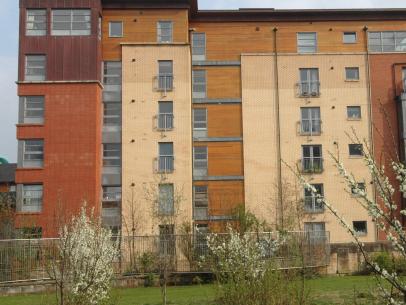
However, according to the DESNZ Public Attitudes Tracker Winter 2023, people face significant barriers to switching to low-carbon heating systems, with 35% of respondents feeling that it might not be possible to install one in their home and 32% feeling that they didn’t know enough about the heating systems. These barriers can be exacerbated when dealing with traditional buildings, such as tenements.
If consumers are to retrofit their homes successfully, they need to be able to rely on the expertise of independent, professional advisers to ensure they get it right the first time. As such, RICS has developed the residential retrofit standard.
RICS members have an important role to play in supporting the retrofitting of existing housing stock – particularly those with expertise in surveying residential property – as many surveying skills are easily applied to retrofitting. RICS members, with relevant experience, can deliver bespoke services to help support all parties in the retrofitting journey.
Given a surveyor’s broad experience of different building types, this service is applicable to people living in traditional buildings, including tenements. Of course, there are differences compared with more modern homes, but here, surveyors would consider various factors in terms of the specific property attributes to ensure best practices, so that appropriate solutions can be implemented. This rounded degree of expertise ensures that building owners and occupants receive the most appropriate retrofit recommendations.
Whilst online and desk-based assessments can be adopted, a physical survey is recommended, to ensure that the most cost-effective and efficient measures are both considered and installed to mitigate against unintended consequences. Simply relying on a virtual retrofit assessment can risk incorrect or inefficient measures being installed, which can risk performance, affect energy costs, and could increase damp and mould or compromise existing structures. In extreme circumstances, badly advised retrofit assessments can even impact value and reduce a property’s EPC rating.
The RICS residential retrofit standard will be effective from 31 October 2024. To help raise awareness of this service, in the future, RICS will be running a consumer awareness campaign about the Standard and its application by members, and retrofitting more generally.
To stay up to date, follow RICS on social media using the links below.
RICS LinkedIn | RICS Facebook | RICS Twitter
Guest article written by Robert Toomey, Senior Public Affairs Officer at RICS Scotland.