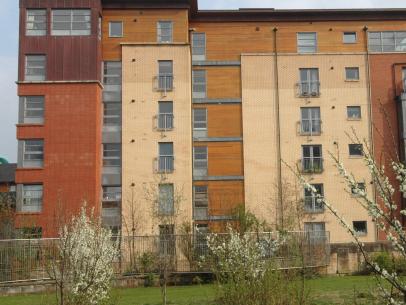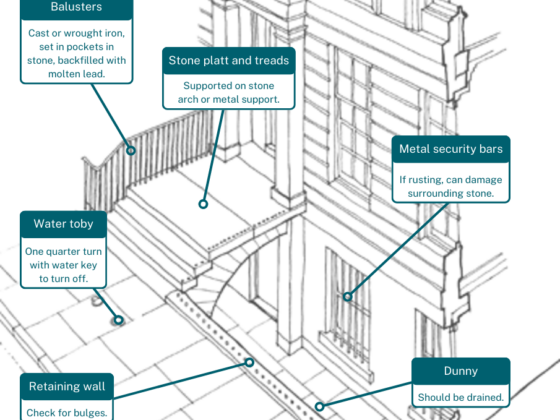
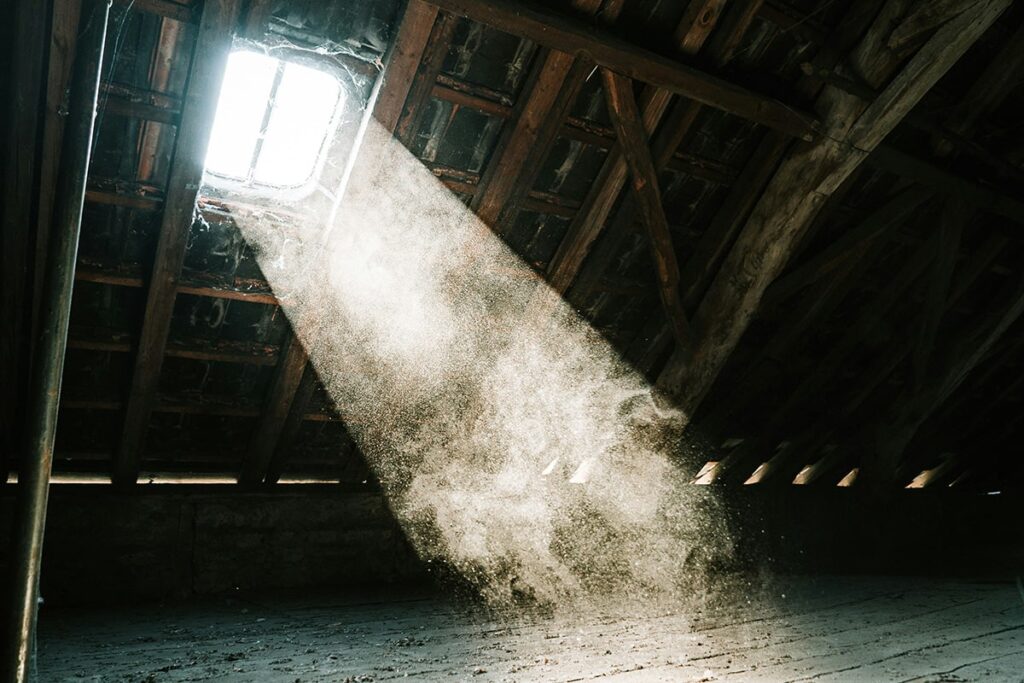
In some cases, the loft may be individually owned. However, repairs to the loft may be a common responsibility.
Always refer to your title deeds to check who owns the loft (often referred to as the attic or air space within the attic). If the titles are silent, the Tenements (Scotland) Act 2004 provides that the loft space belongs to the flat immediately below it. The Tenements Act states that the top floor flat extends up to and includes the roof but that is only if the titles do not state that the roof is common.
You may find that the titles state the roof is common but do not mention the loft or attic space. In this case, the loft is owned by the top floor flat and the roof is common.
If the loft is not in common ownership, some owners of top floor flats feel able to expand into the loft space. However, if extending into the loft space interferes with any common parts (such as structural joists) this would require every owner’s consent. Additionally, if the roof is common, the top floor flat will not be able to install any windows or vents etc. without consent from the other owners. In this scenario, it would be advisable to enter into a legal agreement to make the top floor flat owner responsible for the maintenance of the windows/vents and any repairs stemming from the works.
In the event that the loft space is the property of the owner of the top floor flat and they wish to expand into it, there are certain procedures that must be followed prior to starting work, including:
- planning permission (to which other owners can object)
- a building warrant (which may not allow adding an additional storey to the living accommodation)
It is important to use the title deeds as a guide if you are considering a loft extension or any other alteration or improvement. Title deeds frequently outline how the property may be used, such as whether it can be utilised solely as a residence or also for business purposes. In addition, title deeds can specify which structural modifications are permissible and which are not, and whether consent from the other owners in required, as well as whether maintaining a common colour scheme is necessary. If your proposed plans are in violation of the title deed or encroach on common property, you may need to obtain an agreement from the other owners and their consents. It is best to seek legal advice from a solicitor if you are in doubt before spending significant money on works.
If your property is listed or in a conservation area, there may be further restrictions on extensions imposed by your local council or Historic Environment Scotland (such as a restriction on adding roof windows), so best to check with them directly.
Repairs to the timbers in the roof and other parts that form the structure of the building are almost always common repairs. Even if there is a loft extension, roof repairs remain a common responsibility. Owners need to allow access via their flat to any common parts for the purposes of maintenance and inspection. Depending on the availability of access to the loft via the common close, the owner of the top floor flat may be obligated to give full access to the roof, whether that is via a loft extension or elsewhere in that particular property.
Installing loft insulation (and other types of insulation) is now defined within the default rules of the Tenements (Scotland) Act 2004 as being maintenance, and if the loft is common property, installation of loft insulation will be a common responsibility.