
Building Reserve Funds (also known as Sinking Funds) are a type of fund set up to pay for repairs.
Key points about Building Reserve Funds
- all owners pay in on a regular basis
- they are usually for major repairs
- a clause must be inserted in the title deeds to ensure that the funds are ‘hereditary’ – i.e. the fund stays with the building, so when an owner sells, they do not get ‘their’ money back
- new owners can’t choose to opt-out of contributing
It might be useful to think of a Building Reserve Fund as a pension for a building.
Building Reserve Funds spread the cost of works over generations of owners. Owners who sell just before a major repair comes up will have already made a contribution and new owners who have just purchased do not have to pay the whole cost. The value of the Building Reserve Fund becomes part of the value of the property.
When you come to sell your flat, you will be able to tell prospective buyers of the arrangements for keeping the property in good repair, the amount of money in the fund, and what they need to budget each year for repairs. This will be a positive feature in any sale.
How much do owners pay?
The amount should be decided to take account of likely future repairs. In older buildings, the amount should be set by a maintenance plan, made following a good survey of the building. In newer buildings, the anticipated costs in the long term may be lower, although this is not always the case. A survey should be able to provide some guidance on how to set the amount.
What if owners don’t pay?
When changing your title deeds to include provisions for a Building Reserve Fund, there should be a clause for owners to pay any shortfall in contributions when they sell their flat. Owners may consider registering a Notice of Potential Liability for Costs as well.
What if there isn’t enough money in the fund?
If the repair costs more than the fund has available, owners will need to find other ways to pay the unmet costs. However, the amount they have to find will be more manageable as there will already be some funds available.
Example in Scotland
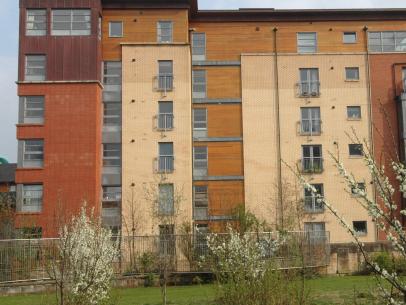
Fife Housing Group manages a relatively modern tenement block, originally built for shared ownership. There are nine owners who each contribute £200 per year into a Fabric Fund. This fund was set up when the building was first sold and this clause was written into the title deeds:
We and our successors or the Factor shall establish a Fabric Fund, said fund to be established for the purposes of dealing with any major items of external decoration, maintenance or repair to the structure of the…block. There shall be collected from each proprietor a periodic sum as may be determined by us or our successors or the Factor (acting reasonably) having regard to future likely outgoings and expenses to be incurred in implementing the obligations on the Proprietors in terms hereof in respect of the …block. The sums to be collected shall be held by us or our successors or the Factor in trust on behalf of the Proprietors of the …block for the foresaid purposes.
The Factoring Officer for Fife Housing Group says the owners love this clause as the Fabric Fund acts like a safety net, providing money for essential repairs. The fund stands at £21,000 but the communal heating now needs replaced and the quotes for this are coming in at £16,000. So, rather than having to find about £2,000 per owner, a strain on any household’s budget, the owners can draw on the Fabric Fund.
The Factoring Officer can see only one problem with the fund – it is specifically for repairs and can’t be used to make improvements. If creating a new Building Reserve Fund, the owners should decide if they want the fund to be used for possible major improvements in the future.
Any downsides?
- funds may be difficult to set up in existing buildings as all owners would need to agree
- there would also be a cost to amending the title deeds
- an old tenement might need to build up a large fund to cover for major repairs
- each owner might have to pay in much more than £200 per annum to build up a useful sum
- however, even if the building reserve fund only contributes part of the cost of a major repair, it could be useful
- large funds need to be well-controlled financially – the government has had to step in to put in strong financial safeguards for workplace pension funds
- there might be tax implications for the fund when an owner sells